The food packaging industry is changing faster than ever.Driven by sustainability regulations, consumer expectations, and the rapid growth of food delivery, restaurants and food brands across the US and Europe are rethinking how they package products in 2026.Today, packaging is no longer just about protecting food. It has become a key factor in:•Brand image•Customer experience•Environmental responsibility•Operational efficiency
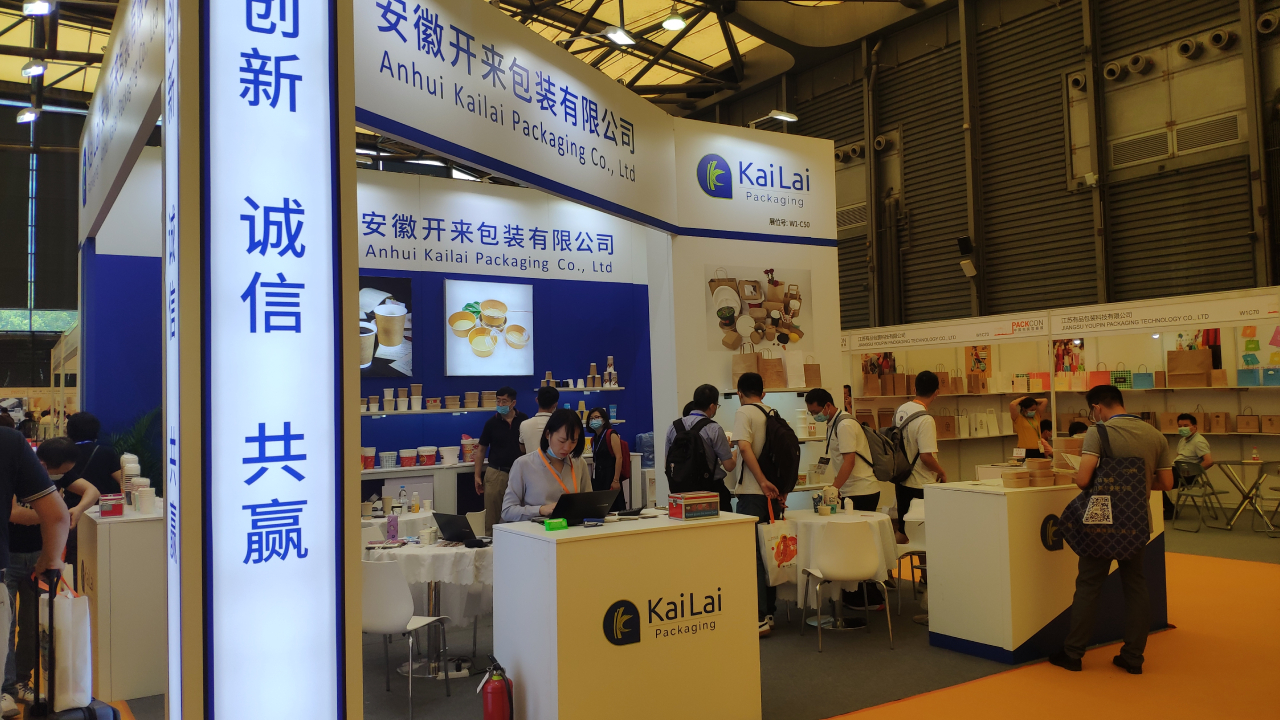
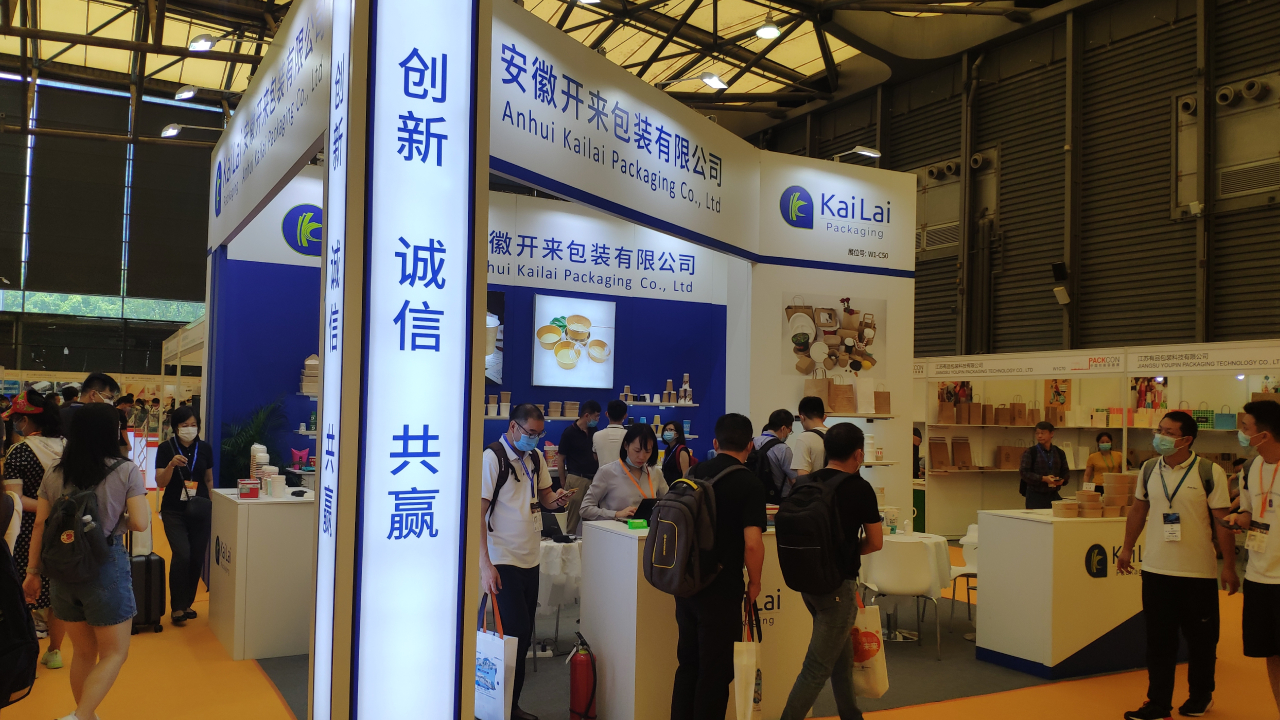
On May 7, 2026, Kailai Packaging made its appearance at the world’s leading packaging exhibition—Interpack 2026 (Düsseldorf International Packaging Exhibition), held at the Düsseldorf Exhibition Center. As one of the most influential events in the global packaging industry, this year’s show attracted an enormous crowd, bringing together brands, buyers, and industry experts from around the world.
Sustainability has become a major priority in the food packaging industry. Across the US and Europe, businesses are moving away from plastic and exploring alternatives like biodegradable packaging.But here’s the critical question:Is biodegradable packaging really better—or is it just marketing?While biodegradable materials offer clear environmental advantages, they also come with limitations that many businesses overlook.In this guide, we take an honest, practical look at biodegradable packaging—what it does well, where it falls short, and whether it’s the right choice for your business.
As sustainability regulations tighten across the US and Europe, food businesses are under increasing pressure to reduce plastic use in packaging. While traditional coatings like PE and PLA have dominated the market, a newer solution is gaining attention:Water-based coating.But what exactly is it, and is it a better alternative?In this guide, we’ll explain how water-based coatings work, how they compare to PE and PLA, and whether they’re the right choice for your food packaging needs.