Produce and sell eco-friendly and reliable disposable paper food packaging products for global customers!
Language
Produce and sell eco-friendly and reliable disposable paper food packaging products for global customers!
As sustainability becomes a top priority across the food industry, more companies are shifting toward biodegradable food packaging as an alternative to traditional plastic. For businesses operating in the US and European markets, adopting eco-friendly food packaging is no longer just a trend—it is becoming a requirement driven by both regulations and consumer expectations.
Understanding what biodegradable packaging really means, and how it can benefit your business, is essential when choosing the right packaging strategy.
What Is Biodegradable Food Packaging?
Biodegradable food packaging refers to materials that can break down naturally into organic substances through the action of microorganisms such as bacteria and fungi. Unlike conventional plastic packaging, which may take hundreds of years to decompose, biodegradable materials can return to the environment much more quickly under suitable conditions.
In simple terms, biodegradable packaging is designed to reduce long-term environmental impact while still providing the protection and functionality required for food products.
Common Materials Used in Biodegradable Food Packaging
A wide range of materials are used in sustainable food packaging, each offering different advantages depending on the application.
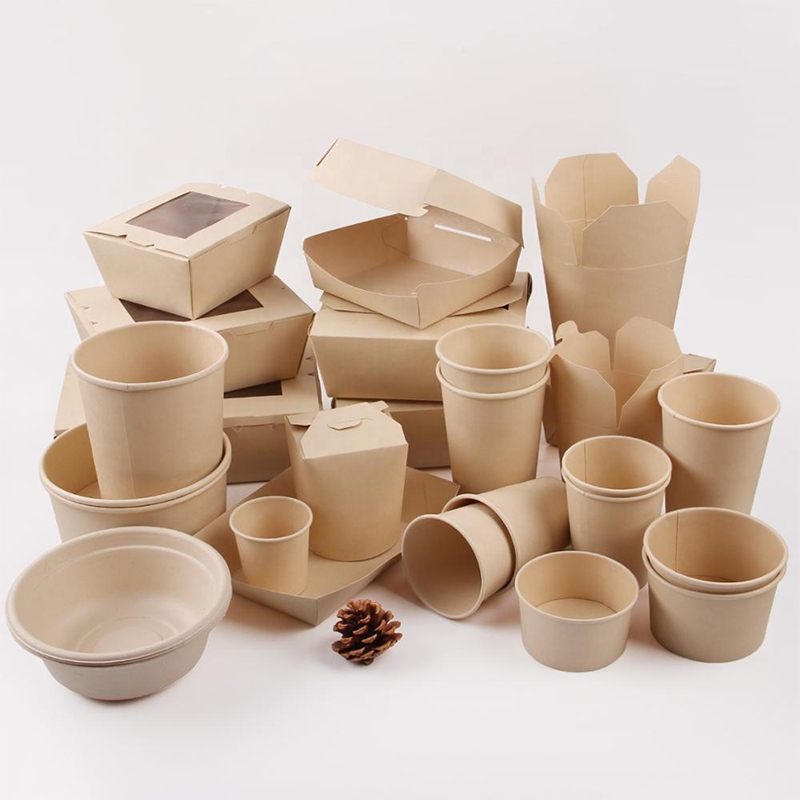
Paper-based packaging is one of the most widely used options. It is renewable, recyclable, and naturally biodegradable, making it a preferred choice for many food businesses. Kraft paper, in particular, is known for its strength and is commonly used for takeaway bags and wrapping.
Another popular material is bagasse, which is derived from sugarcane fiber. It is fully compostable and often used for containers, bowls, and plates. PLA, a plant-based material made from corn starch, is also widely used as a plastic alternative for cups and lids.
Bamboo-based packaging is gaining attention as well due to its rapid renewability and strong environmental credentials.
Benefits of Biodegradable Food Packaging for Businesses
Switching to biodegradable food packaging offers several important advantages. One of the most significant benefits is the reduction of environmental impact. By replacing plastic with biodegradable materials, businesses can help reduce landfill waste and pollution.
In addition, using eco-friendly food packaging can significantly enhance brand image. Consumers in Western markets are increasingly choosing brands that demonstrate environmental responsibility. This makes sustainable packaging not only an ethical choice but also a competitive advantage.
Another key benefit is regulatory alignment. Governments across the US and Europe are introducing stricter rules on single-use plastics, making sustainable food packaging an essential part of long-term business planning.
Biodegradable vs Compostable Packaging: What’s the Difference?
Although the terms are often used interchangeably, biodegradable and compostable packaging are not exactly the same. Biodegradable materials break down naturally over time, but the process and conditions can vary.
Compostable packaging, on the other hand, is designed to decompose under specific conditions, usually in industrial composting facilities, and turn into nutrient-rich compost.
For businesses selecting the right food packaging solutions, understanding this distinction is important to ensure the packaging meets both environmental goals and local waste management systems.
Regulations and Certifications You Should Know
When using biodegradable food packaging in international markets, compliance with regulations is essential. In the United States, packaging materials must meet food safety standards and comply with FDA requirements. In Europe, strict regulations ensure that packaging does not negatively affect food safety or quality.
Certifications such as FSC demonstrate responsible sourcing of paper materials, while standards like LFGB are widely recognized in European markets. Working with a qualified food packaging supplier that understands these requirements can help ensure smooth market entry and long-term compliance.
How to Choose the Right Biodegradable Packaging Supplier
Selecting the right food packaging supplier is just as important as choosing the right material. A reliable supplier should provide certified products, consistent quality, and the ability to handle bulk orders.
Customization is another key factor. Many businesses rely on custom food packaging to strengthen their branding and stand out in competitive markets. Suppliers that offer design support and flexible production options can add significant value.
It is also important to evaluate the supplier’s experience with international markets, particularly if you are targeting the US or Europe. This ensures that your packaging meets all relevant standards and customer expectations.
Challenges to Consider
While biodegradable food packaging offers many advantages, there are still some challenges to consider. Costs can sometimes be higher than traditional plastic packaging, although this gap is narrowing as demand increases.
In addition, some biodegradable materials require specific environmental conditions to break down efficiently. Businesses should ensure that their packaging choices align with local waste management systems.
Conclusion
As sustainability continues to shape the future of the food industry, biodegradable food packaging is becoming an essential solution for businesses looking to stay competitive. It not only reduces environmental impact but also supports brand growth, regulatory compliance, and customer trust.
By choosing the right materials and working with an experienced food packaging supplier, businesses can successfully transition to more sustainable packaging solutions.
Call to Action
If your business is looking to adopt biodegradable food packaging, now is the right time to act. We provide a wide range of eco-friendly food packaging options designed for the US and European markets.
Contact us to request samples, explore custom food packaging solutions, and get competitive wholesale pricing tailored to your needs.
Kai Lai Packaging Produce and sell environmentally friendly and reliable disposable paper food packaging products for global customers.