Produce and sell eco-friendly and reliable disposable paper food packaging products for global customers!
Language
Produce and sell eco-friendly and reliable disposable paper food packaging products for global customers!
Paper vs Plastic Packaging: Key Differences
When comparing paper vs plastic packaging, the most important factors include sustainability, cost, performance, and brand perception.
Paper packaging is generally more environmentally friendly and aligns better with current market trends. Plastic packaging, on the other hand, offers better durability and lower upfront costs.
For businesses targeting Western markets, paper packaging often provides a stronger competitive advantage due to increasing environmental awareness and regulatory pressure.
As sustainability becomes a major concern for businesses and consumers alike, the debate between paper vs plastic packaging continues to grow. Many companies are now shifting toward paper food packaging as part of their move to more eco-friendly food packaging solutions.
But is paper really better than plastic? The answer depends on your business needs, cost considerations, and environmental goals.
Paper Food Packaging: Advantages and Limitations
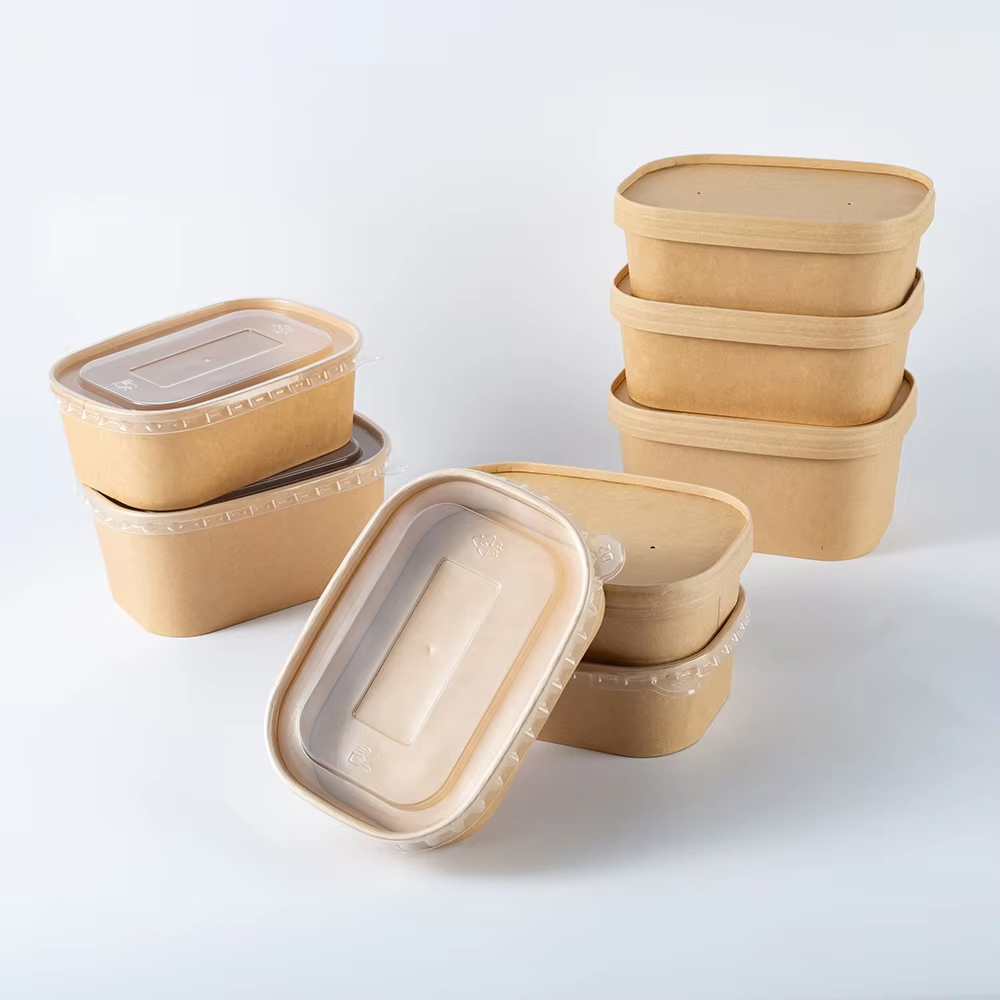
Paper-based packaging is widely recognized as one of the most sustainable options available today. It is made from renewable resources and is generally recyclable and biodegradable, making it a strong choice for businesses looking to reduce their environmental impact.
From a branding perspective, paper food packaging also offers a more natural and premium appearance, which appeals to modern consumers in the US and Europe. Many restaurants and takeaway brands use paper packaging to reinforce their eco-friendly positioning.
However, paper packaging does have some limitations. It may require additional coatings to resist oil and moisture, especially for fast food applications. In some cases, this can affect recyclability or increase costs.
Plastic Packaging: Advantages and Challenges
Plastic packaging remains popular due to its durability, flexibility, and low cost. It provides excellent protection against moisture and contamination, which is why it is still widely used in many food applications.
From a logistics perspective, plastic is lightweight and efficient, reducing transportation costs for large-scale operations.
The main drawback, however, is its environmental impact. Traditional plastic can take hundreds of years to decompose, making it a major contributor to global pollution. This has led to stricter regulations and growing demand for eco-friendly food packaging alternatives.
Paper vs Plastic Packaging: Key Differences
When comparing paper vs plastic packaging, the most important factors include sustainability, cost, performance, and brand perception.
Paper packaging is generally more environmentally friendly and aligns better with current market trends. Plastic packaging, on the other hand, offers better durability and lower upfront costs.
For businesses targeting Western markets, paper packaging often provides a stronger competitive advantage due to increasing environmental awareness and regulatory pressure.
Which Option Is Better for Your Business?
Choosing between paper and plastic depends on your specific use case. For takeaway and fast food businesses, paper food packaging is often the preferred option because it balances functionality with sustainability.
If your products require high moisture resistance or long shelf life, plastic may still be necessary in certain situations. However, many companies are now combining materials or switching to biodegradable alternatives.
Working with an experienced food packaging supplier can help you identify the best solution based on your product and market.
Conclusion
The choice between paper vs plastic packaging is not one-size-fits-all, but the trend is clear. Businesses are moving toward eco-friendly food packaging, and paper-based solutions are leading the way.
Making the right decision now can improve your brand image, ensure compliance, and position your business for long-term success.
Looking to switch to paper food packaging?
We provide high-quality, customizable, and eco-friendly food packaging solutions for businesses worldwide. Contact us to request samples and explore wholesale options tailored to your needs.
Kai Lai Packaging Produce and sell environmentally friendly and reliable disposable paper food packaging products for global customers.