Produce and sell eco-friendly and reliable disposable paper food packaging products for global customers!
Language
Produce and sell eco-friendly and reliable disposable paper food packaging products for global customers!
The growing demand for sustainable food packaging reflects a major shift in the global food industry. Consumers, governments, and brands are all working toward reducing environmental impact and promoting responsible packaging solutions.
For food companies, adopting eco-friendly packaging is no longer just a trend—it is a strategic necessity.
Paper-based food packaging, recyclable materials, and biodegradable solutions will continue to shape the future of the packaging industry, helping businesses meet sustainability goals while delivering safe and attractive packaging for food products.
In recent years, sustainable food packaging has become one of the most important trends in the global food industry. As consumers become more environmentally conscious and governments introduce stricter regulations on plastic waste, food brands are increasingly searching for eco-friendly packaging solutions.
From recyclable paper containers to biodegradable packaging materials, companies are shifting away from traditional plastic packaging and adopting sustainable alternatives that reduce environmental impact while maintaining food safety and quality.
Why Sustainable Food Packaging Is Becoming Essential
The demand for eco friendly food packaging is growing rapidly across the world.
Research shows that over 70% of consumers prefer products with environmentally friendly packaging, and many are even willing to pay more for sustainable options. (ZipDo)
At the same time, the food packaging industry is undergoing a massive transformation as brands look for ways to reduce plastic waste and improve their sustainability image.
Several factors are driving this change:
1. Consumer Environmental Awareness
Modern consumers are more aware of the environmental impact of packaging than ever before. Many buyers actively look for products packaged in recyclable or biodegradable materials.
Sustainable packaging not only reduces waste but also helps brands build trust and loyalty with eco-conscious customers.
2. Government Regulations on Plastic
Countries around the world are implementing policies to reduce single-use plastics. These regulations encourage businesses to switch to recyclable, compostable, or paper-based packaging.
As a result, food manufacturers and restaurants are increasingly looking for sustainable packaging suppliers.
3. Rapid Market Growth
The eco-friendly food packaging market continues to expand at a strong pace. The global market size is projected to reach over $500 billion by 2034, driven by consumer demand and sustainability regulations. (precedenceresearch.com)
This rapid growth creates new opportunities for companies that provide sustainable packaging solutions.
Key Types of Sustainable Food Packaging
Businesses today have several options when choosing environmentally friendly food packaging.
1. Paper-Based Food Packaging
Paper packaging is one of the most popular sustainable alternatives to plastic.
Benefits include:
•recyclable and biodegradable
•renewable raw materials
•lightweight and cost-efficient
•customizable for branding
Paper food packaging is widely used for:
•takeaway boxes
•food containers
•bakery packaging
•fast food packaging
•paper cups and bowls
Because of its versatility and environmental advantages, paper packaging is becoming a preferred solution for many food brands.
2. Biodegradable Food Packaging
Biodegradable packaging is designed to break down naturally over time without harming the environment.
Common materials include:
•plant fiber
•cornstarch materials
•bagasse (sugarcane fiber)
•biodegradable films
These materials help reduce landfill waste and support sustainable packaging initiatives.
3. Recyclable Packaging
Recyclable packaging allows materials to be reused in new products, reducing the demand for virgin resources.
Examples include:
•recycled paper packaging
•recyclable cardboard containers
•mono-material packaging structures
Many food companies are moving toward fully recyclable packaging systems to support circular economy goals.
Benefits of Sustainable Food Packaging for Food Brands
Adopting sustainable packaging offers multiple advantages for food businesses.
Improved Brand Image
•Eco-friendly packaging communicates a strong environmental commitment. Brands that prioritize sustainability often gain higher customer trust and loyalty.
Increased Consumer Preference
•Studies show that packaging sustainability influences purchasing decisions for a large percentage of consumers. (WifiTalents)
This means sustainable packaging can directly increase product sales.
Reduced Environmental Impact
•Switching from plastic to recyclable or biodegradable packaging can significantly reduce carbon emissions and waste.
Compliance with Regulations
•Sustainable packaging helps businesses comply with emerging environmental regulations and avoid potential penalties related to plastic waste.
Future Trends in Sustainable Food Packaging
Several emerging trends are shaping the future of food packaging.
Paperization of Packaging
•Many brands are replacing plastic packaging with fiber-based materials. The shift from plastic to paper packaging continues to accelerate across the food industry. (towardspackaging.com)
Compostable Packaging Solutions
•Compostable food packaging is gaining popularity, especially in takeaway and food delivery services.
Minimalist Packaging Design
•Reducing packaging materials while maintaining protection is another important sustainability trend.
Why Food Brands Are Choosing Paper Packaging
Paper packaging is becoming one of the most promising solutions for sustainable food packaging.
Compared with traditional plastic packaging, paper offers several environmental advantages:
•renewable raw materials
•easier recycling systems
•lower environmental impact
•strong consumer acceptance
For food businesses seeking eco-friendly packaging solutions, paper-based packaging provides a practical and scalable option.
The growing demand for sustainable food packaging reflects a major shift in the global food industry. Consumers, governments, and brands are all working toward reducing environmental impact and promoting responsible packaging solutions.
For food companies, adopting eco-friendly packaging is no longer just a trend—it is a strategic necessity.
Paper-based food packaging, recyclable materials, and biodegradable solutions will continue to shape the future of the packaging industry, helping businesses meet sustainability goals while delivering safe and attractive packaging for food products.
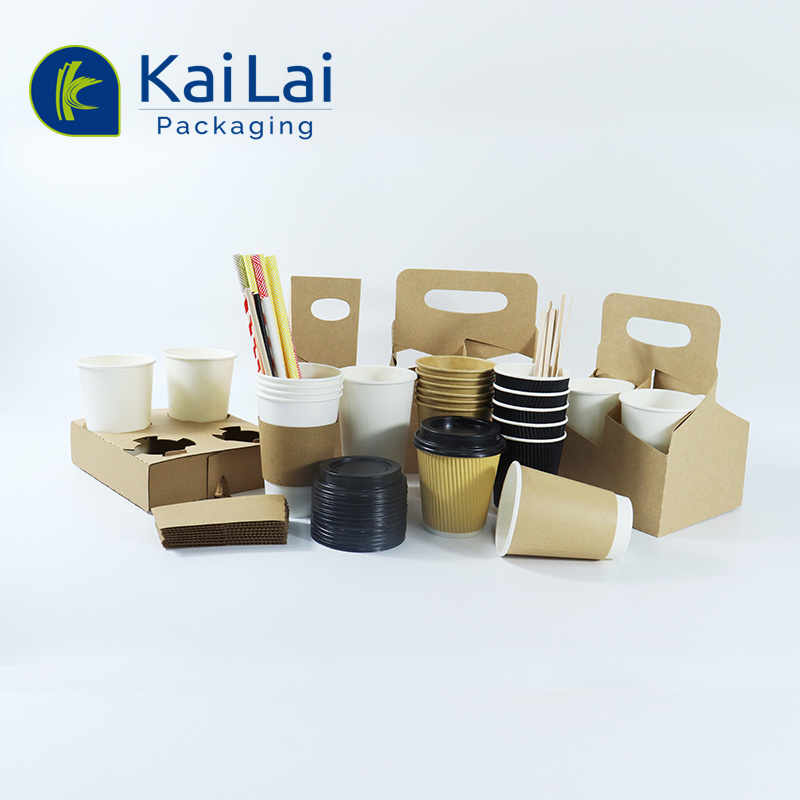
Kai Lai Packaging Produce and sell environmentally friendly and reliable disposable paper food packaging products for global customers.