Produce and sell eco-friendly and reliable disposable paper food packaging products for global customers!
Language
Produce and sell eco-friendly and reliable disposable paper food packaging products for global customers!
As demand for eco-friendly food packaging continues to grow, kraft paper has become one of the most widely used materials in the food industry. Known for its strength, versatility, and natural appearance, kraft paper food packaging is now a top choice for restaurants, takeaway brands, and food distributors.
But what exactly is kraft paper used for in food packaging, and why is it so popular?
In this guide, we’ll explore the key uses, benefits, and how to choose the right kraft paper packaging for your business.
What Is Kraft Paper in Food Packaging?
Kraft paper is a durable paper material produced using the kraft pulping process, which gives it higher strength compared to standard paper. In the context of food packaging, kraft paper is commonly used because it is safe, breathable, and suitable for a wide range of food applications.
Quick Answer(Featured Snippet)
Kraft paper is used in food packaging for wrapping, takeaway bags, food containers, and grease-resistant paper products due to its strength, safety, and eco-friendly properties.
Common Uses of Kraft Paper in Food Packaging
Kraft paper food packaging is extremely versatile and can be adapted to many different food service needs.
One of the most common uses is for takeaway bags. Kraft paper bags are widely used by restaurants and cafes because they are strong enough to carry multiple food items while remaining lightweight and recyclable.
Kraft paper is also used for food wrapping, especially for sandwiches, baked goods, and light meals. Its breathable nature helps maintain food freshness without trapping excess moisture.
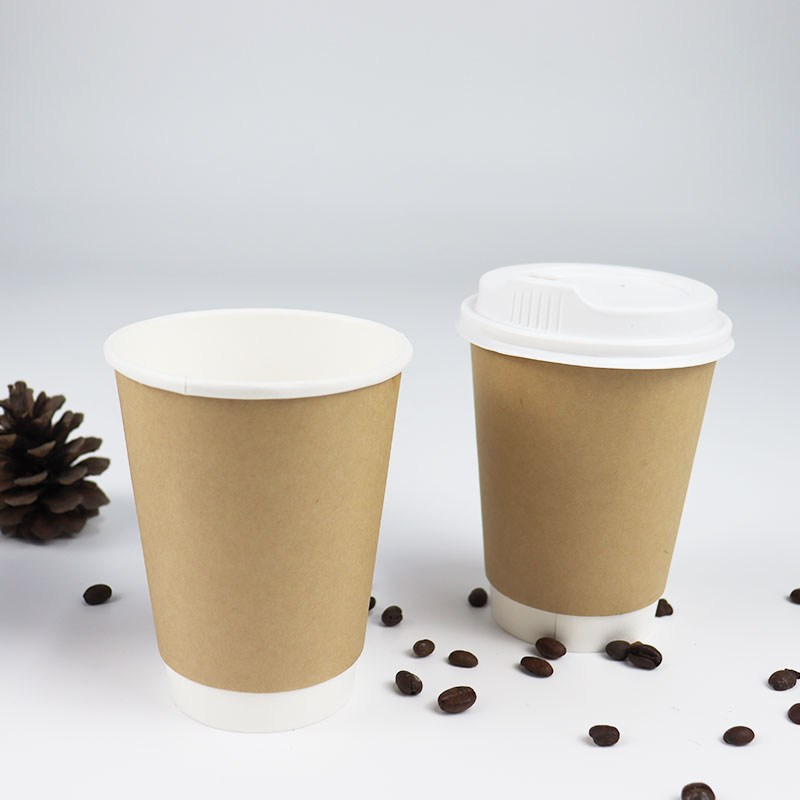
Another important application is in food containers. Kraft paper can be combined with coatings to create boxes and bowls that are suitable for hot or moist foods.
In addition, kraft paper is often used as a base material for greaseproof paper, which is essential for packaging oily foods such as burgers and fried items.
Benefits of Kraft Paper for Food Packaging
One of the main reasons businesses choose kraft paper packaging is its strength. It is more resistant to tearing compared to regular paper, making it ideal for takeaway and delivery use.
Another key advantage is sustainability. Kraft paper is biodegradable and recyclable, making it an important part of sustainable food packaging strategies. This aligns with growing demand for eco-friendly food packaging in the US and European markets.
Kraft paper also offers excellent branding opportunities. Its natural look appeals to modern consumers, and it can be easily customized with logos and designs through custom food packaging solutions.
In addition, it is cost-effective, especially when purchased as bulk food packaging, making it suitable for businesses of all sizes.
Is Kraft Paper Safe for Food?
Yes, kraft paper food packaging is safe when it is produced using food-grade materials and meets regulatory standards.
Manufacturers ensure that kraft paper used for food contact is free from harmful chemicals and complies with safety regulations such as FDA requirements in the United States and EU standards in Europe.
However, it is important to work with a reliable food packaging supplier to ensure consistent quality and compliance.
Kraft Paper vs Other Packaging Materials
When comparing kraft paper packaging with other materials such as plastic or coated paperboard, several differences stand out.
Kraft paper is more environmentally friendly than traditional plastic, making it a preferred option for businesses focused on sustainability. While plastic may offer better moisture resistance, kraft paper can be enhanced with coatings to achieve similar performance.
Compared to standard paper, kraft paper is stronger and more durable, making it better suited for takeaway applications.
For many businesses, kraft paper provides the best balance between performance, cost, and environmental impact.
How to Choose the Right Kraft Paper Packaging
Choosing the right kraft paper food packaging depends on your specific needs.
Consider the type of food you are packaging. Oily foods may require grease-resistant paper, while hot meals may need coated containers for better durability.
Customization is another important factor. Many businesses use custom food packaging to improve brand recognition and create a better customer experience.
It is also essential to evaluate your supplier. A professional food packaging supplier should offer certified materials, stable supply, and flexible order quantities.
Common Mistakes to Avoid
One common mistake is assuming all kraft paper is suitable for food use. Only food-grade kraft paper should be used for packaging.
Another mistake is ignoring the need for coatings or additional treatments for specific food types. Using the wrong material can lead to leakage or reduced food quality.
Finally, choosing suppliers based only on price can result in inconsistent quality and potential compliance issues.
What is kraft paper used for in food packaging?
Kraft paper is used for takeaway bags, food wrapping, containers, and greaseproof paper products.
Is kraft paper eco-friendly?
Yes, kraft paper packaging is biodegradable and recyclable, making it a key material in eco-friendly food packaging.
Can kraft paper be used for hot food?
Yes, especially when combined with coatings that improve heat and moisture resistance.
Conclusion
So, what is kraft paper used for in food packaging? It is one of the most versatile and reliable materials available today, used for everything from takeaway bags to food containers.
With its strength, sustainability, and adaptability, kraft paper food packaging is an essential solution for businesses looking to improve performance while meeting environmental expectations.
Call to Action
Looking for high-quality kraft paper food packaging?
We provide durable, customizable, and eco-friendly food packaging solutions tailored for global businesses. Whether you need wrapping paper, takeaway bags, or containers, we can help.
Contact us to request samples and get competitive bulk pricing.
Kai Lai Packaging Produce and sell environmentally friendly and reliable disposable paper food packaging products for global customers.