Produce and sell eco-friendly and reliable disposable paper food packaging products for global customers!
Language
Produce and sell eco-friendly and reliable disposable paper food packaging products for global customers!
China remains one of the world’s largest suppliers of food packaging products, serving importers, distributors, restaurant chains, and food brands across the US and Europe.
From kraft paper bowls to eco-friendly takeaway containers, Chinese manufacturers offer:
•Competitive pricing
•Large production capacity
•Wide product selection
•Flexible customization options
But importing food packaging successfully requires more than simply finding a low-cost supplier.
Without proper sourcing and quality control, importers may face:
•Delayed shipments
•Compliance issues
•Poor product quality
•Unexpected costs
In this guide, we’ll walk through the complete process of importing food packaging from China in 2026.
Why Import Food Packaging From China?
Many businesses choose China because of its strong manufacturing ecosystem.
Key advantages include:
•Lower production costs
•Mature export supply chains
•Large-scale manufacturing capacity
•Extensive product variety
•Advanced printing and customization capabilities
China is especially competitive in:
•Kraft takeaway boxes
•Soup bowls and containers
•Eco-friendly food packaging
Step 1: Define Your Packaging Requirements
Before contacting suppliers, clearly identify your needs.
•Important factors include:
•Product type
•Size and dimensions
•Material requirements
•Coating options
•Printing and branding needs
Quantity and MOQ
For example, businesses often compare:
•kraft vs bagasse packaging
•PE vs PLA coating
before making sourcing decisions.
👉 Related: Kraft vs Bagasse Packaging: Which Is Better?
👉 Related: PE vs PLA Coating: Which Is Better for Food Packaging?
Step 2: Find Reliable Food Packaging Suppliers
You can find suppliers through:
•Trade shows
•B2B platforms
•Google search
•Industry referrals
However, not all suppliers offer the same quality and reliability.
When evaluating suppliers, check:
•Export experience
•Factory certifications
•Product range
•Communication quality
•Production capacity
👉 Related: Best Food Packaging Suppliers for Importers (USA & Europe)
Step 3: Request Samples Before Ordering
Never place a bulk order without testing samples.
You should evaluate:
•Material quality
•Leakproof performance
•Heat resistance
•Printing quality
•Lid fit and durability
This is especially important for takeaway and hot food packaging.
👉 Related: Best Packaging for Hot Food Delivery
Step 4: Verify Certifications and Compliance
For US and European markets, compliance is critical.
Common requirements include:
•FDA food contact compliance
•EU food safety regulations
•LFGB testing (Europe)
•Sustainability certifications
You should also verify:
•Recyclability claims
•Compostability claims
•PFAS-related compliance if applicable
Never rely only on verbal confirmation.
Step 5: Confirm Pricing and Hidden Costs
Many first-time importers focus only on unit price.
But total import cost also includes:
•Shipping fees
•Customs duties
•Printing plates
•Packaging costs
•Sampling charges
•Freight fluctuations
Always request a detailed quotation.
Step 6: Understand MOQ (Minimum Order Quantity)
Most Chinese manufacturers have MOQs.
MOQ depends on:
•Product type
•Custom printing requirements
•Material complexity
Custom branded packaging usually requires higher MOQs than plain stock products.
Step 7: Confirm Lead Time and Production Schedule
Production delays can seriously affect your business.
Before ordering, confirm:
•Sample production time
•Mass production timeline
•Shipping schedule
•Peak season capacity
Chinese factories may experience delays during:
•Chinese New Year
•Peak export seasons
Planning ahead is essential.
Step 8: Arrange Shipping and Logistics
Most importers use:
•Sea freight for large orders
•Air freight for urgent shipments
Common shipping terms include:
•FOB (Free On Board)
•CIF (Cost, Insurance, Freight)
•DDP (Delivered Duty Paid)
Working with an experienced freight forwarder can simplify the process significantly.
Step 9: Perform Quality Inspection Before Shipment
A professional inspection helps reduce risk.
You can:
•Hire third-party inspection companies
•Request production photos/videos
•Conduct random sampling checks
This helps prevent:
•Printing mistakes
•Structural defects
•Quantity shortages
before products leave the factory.
Step 10: Build Long-Term Supplier Relationships
The best results usually come from long-term cooperation.
Reliable partnerships can provide:
•Better pricing
•Priority production scheduling
•More stable quality
•Faster communication
Strong supplier relationships are a major advantage for growing businesses.
Common Mistakes Importers Should Avoid
Choosing Suppliers Only by Price
Low-cost suppliers may create:
•Quality problems
•Delivery delays
•Compliance risks
Ignoring Material Differences
Different coatings and materials perform differently.
For example:
•PE coating offers stronger heat resistance
•Water-based coatings improve recyclability
👉 Related: What Is Water-Based Coating in Food Packaging?
Skipping Sample Testing
Never assume packaging performance based on photos alone.
Always test:
•Hot food applications
•Leakproof performance
•Microwave compatibility
•Delivery durability
Not Understanding Local Regulations
Import regulations are becoming stricter, especially in Europe.
Businesses should stay informed about:
•Plastic reduction policies
•Compostability standards
•Food contact requirements
What Packaging Products Are Most Popular in 2026?
High-demand products include:
•Kraft paper bowls
•Leakproof takeaway containers
•Compostable packaging
•Food delivery packaging
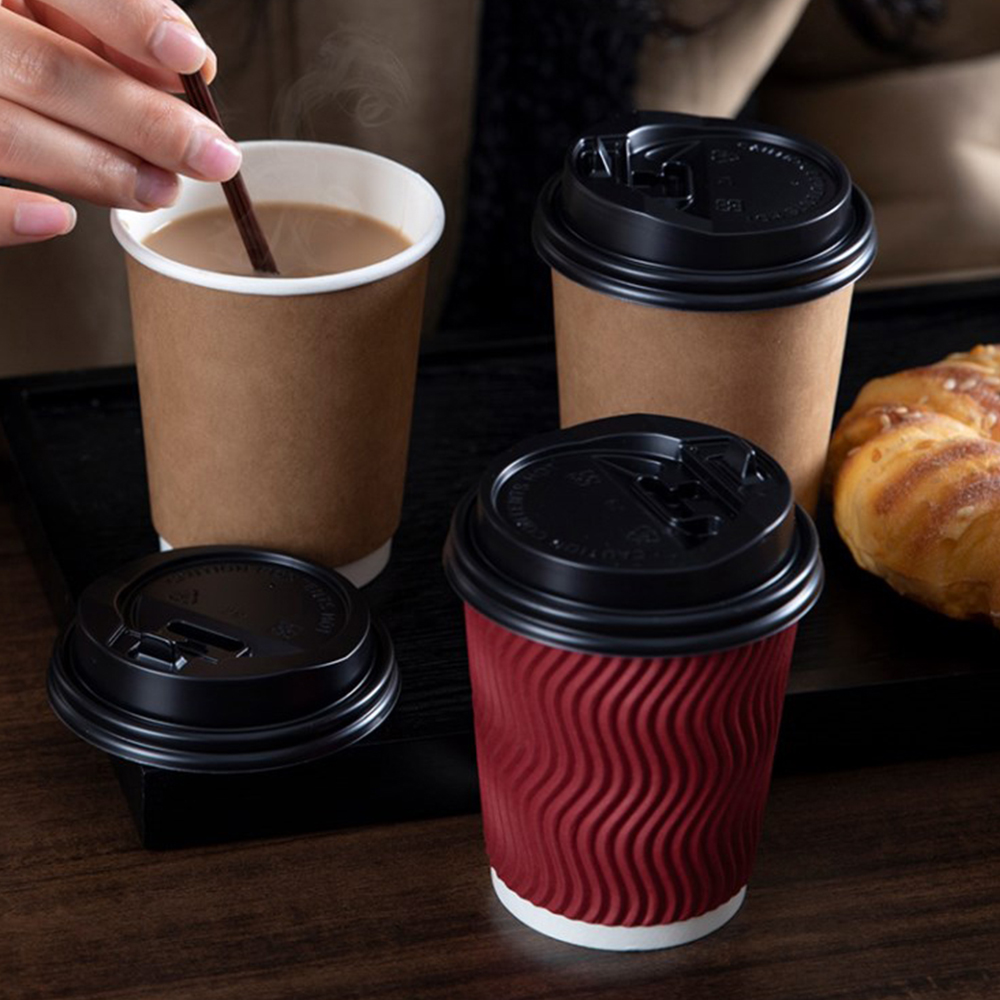
•Custom printed paper cups
•Eco-friendly takeaway boxes
Sustainable packaging continues to dominate market demand.
Frequently Asked Questions
Is importing food packaging from China safe?
Yes, if you work with reliable suppliers and verify certifications properly.
What is the typical MOQ for food packaging?
MOQ varies, but custom printed products usually require larger quantities.
How long does shipping from China take?
Sea freight typically takes several weeks depending on destination and shipping conditions.
What is the best packaging material for importers?
Kraft paper and eco-friendly paper packaging remain among the most popular options.
Final Thoughts
Importing food packaging from China can provide major advantages in pricing, customization, and scalability — but success depends on choosing the right suppliers and understanding the sourcing process.
By focusing on quality, compliance, and long-term partnerships, importers can reduce risks and build a stronger packaging supply chain in 2026.
Looking for a Reliable Food Packaging Manufacturer in China?
We specialize in eco-friendly food packaging solutions for importers, distributors, and restaurant brands worldwide.
We offer:
•Kraft paper containers and bowls
•PE, PLA, and water-based coating options
•Custom printing and OEM solutions
•Stable bulk supply for US & EU markets
Contact us today to request samples or discuss your sourcing requirements.
Kai Lai Packaging Produce and sell environmentally friendly and reliable disposable paper food packaging products for global customers.